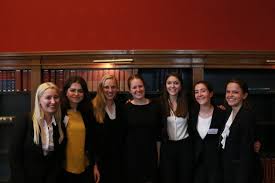
Here you can find all the information about the PAX Moot – Inter-University Moot Competition in Private International Law, a specialised moot court focused on Transnational Law and Private International Law issues, which involves teams of four people maximum from all over the world.
The competition officially begins each year with the publication of The Case and is structured into two main phases: a written phase and an oral phase.
During the written phase, students are required to draft two memoranda – one for the Applicant and one for the Respondent – each not exceeding twelve pages. The memoranda are designed to test the participants’ ability to develop concise, well-structured, and persuasive legal arguments.
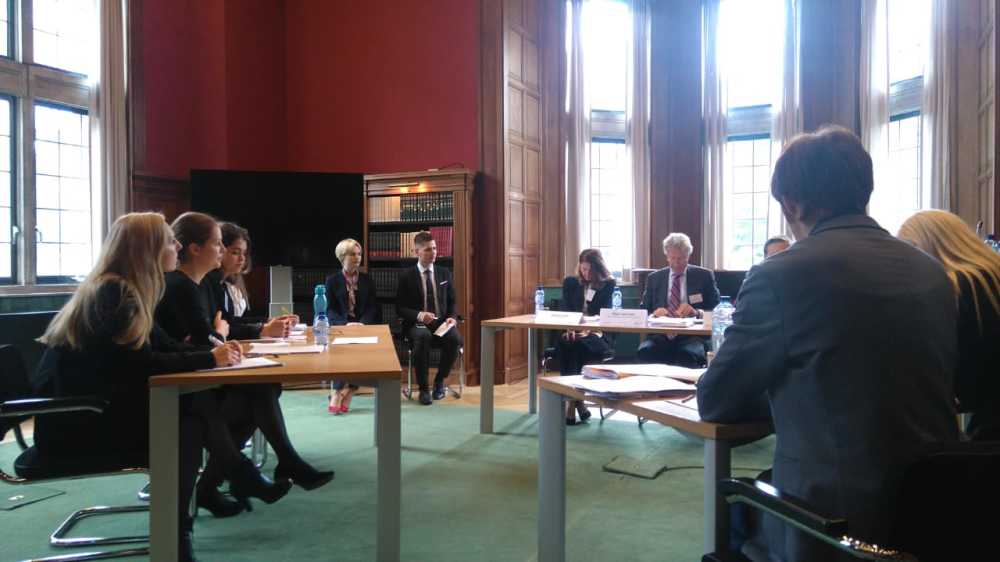
At the conclusion of the written phase, teams advance to the oral rounds. During this phase, participating teams engage in oral hearings before courts composed of distinguished experts in the field. Students are required to defend both the Claimant’s and the Respondent’s positions, further refining their advocacy skills in a realistic and competitive judicial setting.
Students will learn techniques, of utmost importance for lawyers involved in a cross-border litigation and arbitration setting, on English written and oral legal advocacy, as writing and orally pleading in an organised, convincing and fluent manner is a powerful tool in the practice of law. The team will be trained in identifying and framing the key legal, factual and evidential issues in each legal dispute, and it will learn to use the architecture of writing, as well as will develop the skill to present legal arguments in a clear, effective and persuasive way. The competition also aims at giving students the chance to learn a proper drafting style, through simplification, visualisation and tailored selection of words, while quoting literature and case law. In the both the written and oral phase the teams will learn to organise arguments with the preparation of effective roadmaps, work on opening and closing statements, and prepare oral pleadings, improving debating skills and developing self-confidence in answering foreseeable and unforeseeable questions without hesitation.
Teamwork will be one of the hardest but most satisfying skill students will develop. Team building is a fundamental ability in any working environment, as it helps group’s members to better understand each other’s strengths, weaknesses, and interests. It set the tone for a positive work culture and strengthen individual members’ unique contributions. It increases productivity and develop the collective potential and helps teams to bond in a more effective way than by other methods, by channeling that increased productivity into a fun, inclusive team building activity. It enhances the motivation to work, the creativity and general enthusiasm, and fosters and improves communication and trust among teams’ members.